5 HVAC Maintenance Tips That Keep Your System Running Smoothly
HVAC maintenance is one of the simplest ways to protect your home’s comfort, yet it’s often the most overlooked. Many Bay Area homeowners only think about their system when something stops working, but regular HVAC maintenance helps prevent those surprises in the first place. From warmer summer days to cool evenings and changing air quality, your system works hard year-round, and it needs steady care to keep up.
When HVAC maintenance is done consistently, your system runs more efficiently, maintains better airflow, and avoids the strain that leads to breakdowns. Simple steps like scheduling a seasonal HVAC tune up or staying on top of filter changes can reduce the need for AC repair, furnace repair, or even emergency HVAC repair later on. These small habits also help your system last longer and keep energy bills more predictable.
In this guide, we’ll walk through five HVAC maintenance tips every homeowner should know. Each tip focuses on practical, real-world care that helps your system run smoothly, supports long-term reliability, and keeps homes comfortable across Concord, Walnut Creek, Danville, San Ramon, Pleasant Hill, Martinez, Orinda, Moraga, Lafayette, Benicia, Vallejo, and Clayton in every season.
Tip 1: Replace or Clean Air Filters Regularly
One of the most important and easiest parts of HVAC maintenance is keeping your air filters clean. Filters protect your system by trapping dust, pollen, pet hair, and other airborne particles before they reach sensitive components. When filters become clogged, airflow drops and your system has to work harder just to move air through the house. Over time, that extra strain increases wear and raises the risk of needing AC repair or furnace repair.
For most Bay Area homes, filters should be checked every one to three months. Homes with pets, allergy concerns, or frequent system use may need more frequent changes. Clean filters support better airflow, more even temperatures, and healthier indoor air. They also help seasonal HVAC tune ups go more smoothly because technicians can focus on performance instead of correcting avoidable airflow problems.
Ignoring filters is one of the quickest ways HVAC maintenance gets neglected. Dirty filters can cause systems to short cycle, freeze coils, or overheat components, which often leads to unnecessary service calls. Staying consistent with filter care reduces the chance of emergency HVAC repair and helps your system run the way it was designed to.
Tip 2: Keep Airflow Paths Clear Throughout Your Home
Strong, consistent airflow is essential for effective HVAC maintenance. Even a well-maintained system can struggle if air cannot move freely through your home. Blocked vents, closed registers, or crowded return grilles force your system to work harder, which increases wear and often leads to AC repair or heating repair over time.
Start by checking that all supply vents and return grilles are open and unobstructed. Furniture, rugs, curtains, and storage boxes are common airflow blockers, especially in bedrooms and living areas. When airflow is restricted, some rooms may feel too warm or too cool, causing the system to run longer than necessary. This extra run time adds strain and reduces overall efficiency.
Airflow issues are also tied closely to HVAC maintenance and tune-ups. During a seasonal HVAC tune up, technicians check static pressure and airflow balance to make sure air is reaching every part of the home evenly. If airflow problems are ignored, they can lead to overheating components, frozen coils, or repeated HVAC repair service calls that could have been avoided.
Tip 3: Schedule Seasonal HVAC Tune Ups Before Peak Weather
One of the most effective ways to stay ahead of problems is scheduling regular HVAC tune ups as part of your overall HVAC maintenance routine. Seasonal tune ups help catch small issues early, before they turn into breakdowns that require AC repair, furnace repair, or emergency HVAC repair. For Bay Area homes, timing matters just as much as consistency.
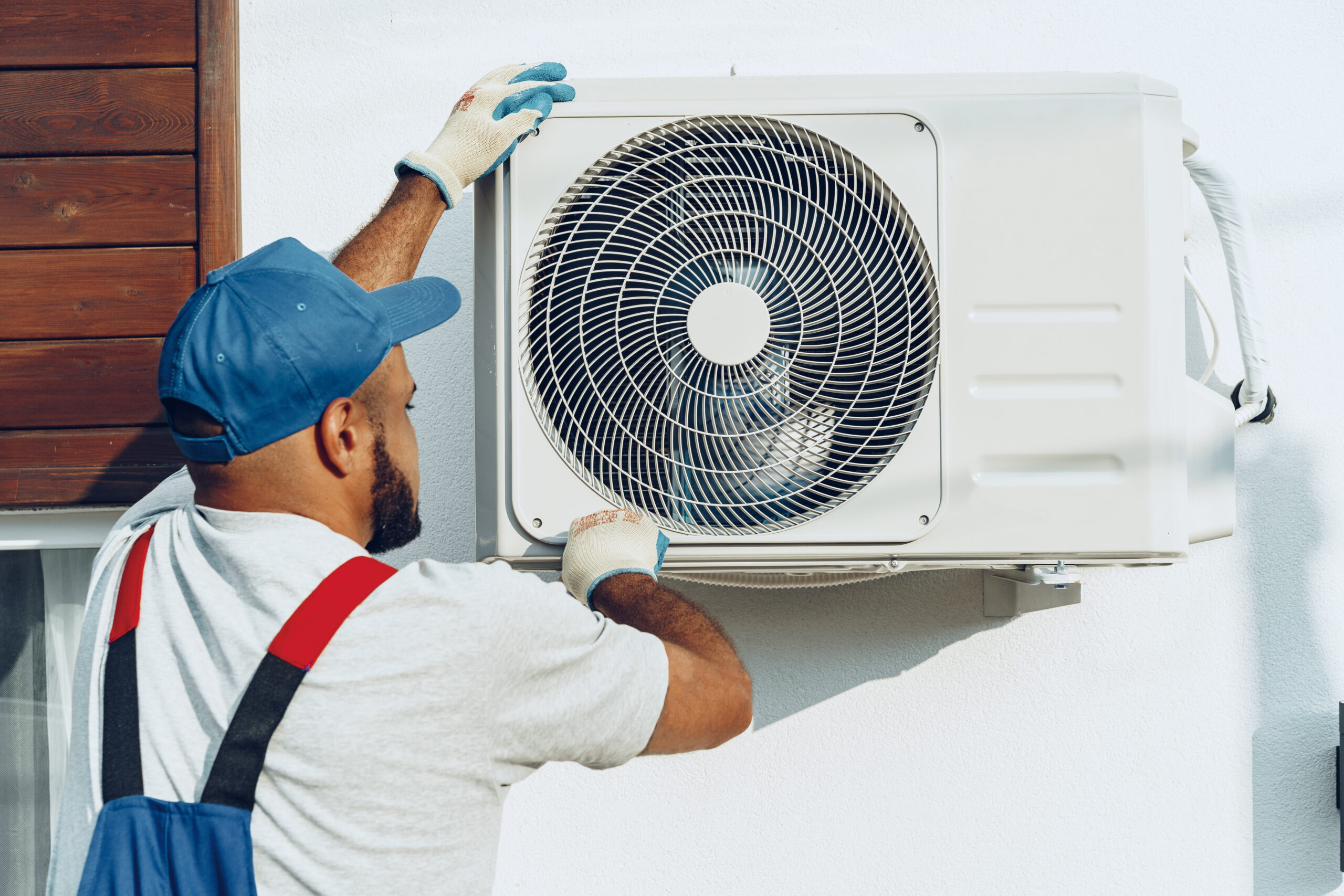
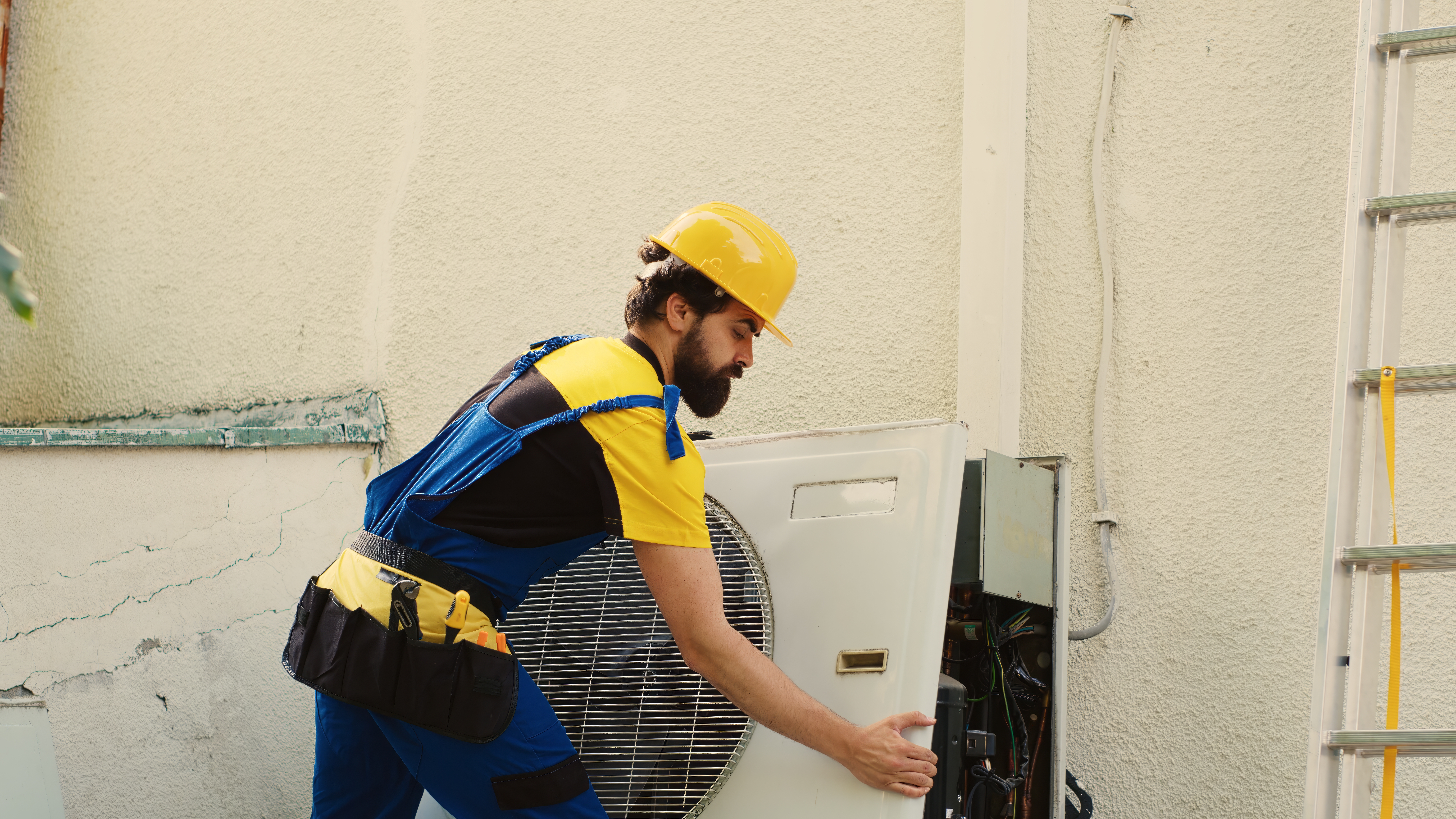
A spring HVAC tune up prepares your system for warmer weather by checking cooling performance, refrigerant levels, and airflow. A fall visit focuses on heating components, safety checks, and efficiency before cooler nights arrive. These seasonal checks allow technicians to clean coils, test electrical components, calibrate thermostats, and confirm the system is operating within safe limits.
Regular HVAC maintenance through tune ups also helps your system run more efficiently. When components are clean and properly adjusted, the system doesn’t have to work as hard to maintain comfort. That reduces wear on parts like motors, compressors, and burners, which lowers the chance of unexpected HVAC repair service later in the year.
Tip 4: Pay Attention to Early Warning Signs
One of the most valuable HVAC maintenance habits is noticing small changes before they turn into major problems. Many homeowners miss early warning signs because the system is still running, but subtle issues often signal the need for AC repair, furnace repair, or heat pump repair if they are not addressed early.
Pay attention to how your system sounds and feels. New noises such as rattling, buzzing, or humming can point to loose parts, electrical issues, or airflow problems. Uneven temperatures from room to room may indicate duct issues, sensor problems, or components starting to wear down. Rising energy bills without a clear reason are another common sign that the system is working harder than it should.
Catching these issues early makes HVAC maintenance far more effective. A quick service visit can often resolve the problem before it escalates into a breakdown that requires emergency HVAC repair. Early attention also helps protect key components and reduces the overall cost of repairs.
Tip 5: Improve System Efficiency With Simple Upgrades
HVAC maintenance is not only about fixing problems. Small efficiency upgrades can make a big difference in how smoothly your system runs and how often it needs service. Many of these improvements are simple, affordable, and easy to combine with routine HVAC maintenance or a seasonal HVAC tune up.
One of the most effective upgrades is a smart thermostat. These devices help regulate temperatures more accurately, reduce unnecessary run time, and improve comfort throughout the day. Better temperature control means less strain on the system, which lowers the risk of AC repair or heating repair over time. Sealing duct leaks and improving insulation also support better airflow and efficiency.
Upgraded filtration is another simple step that supports HVAC maintenance. High-quality filters capture more airborne particles, protect internal components, and improve indoor air quality. Cleaner systems tend to run longer with fewer breakdowns, reducing the likelihood of emergency HVAC repair.
Why Consistent HVAC Maintenance Matters for Bay Area Homes
For Bay Area homeowners, HVAC maintenance is not a one-time task. It’s an ongoing way to protect comfort in a region where temperatures shift, air quality changes, and systems are used year-round. Regular HVAC maintenance helps systems adapt to these conditions without breaking down or losing efficiency.
At XCEL, we approach HVAC maintenance with a focus on steady, reliable care rather than quick fixes. Our technicians take time to explain what your system needs, perform thorough inspections, and make adjustments that support long-term performance. Whether it’s a routine HVAC tune up or guidance on preventing future AC repair or furnace repair, our goal is to help homeowners feel informed and supported.
How HVAC Maintenance Supports Long-Term System Health
HVAC maintenance plays a major role in how long your heating and cooling system lasts. Systems that receive consistent care tend to run more smoothly, experience fewer breakdowns, and avoid the kind of strain that leads to early replacement. Without regular HVAC maintenance, even well-installed systems can develop small issues that quietly worsen over time.
Routine HVAC maintenance helps protect critical components such as motors, coils, burners, and electrical connections. When these parts are kept clean and properly adjusted, the system does not have to work as hard to maintain comfortable temperatures. That reduces wear and lowers the chance of needing AC repair or furnace repair due to overheating, poor airflow, or electrical stress.
Maintenance also helps systems stay aligned with efficiency standards. During a seasonal HVAC tune up, technicians check airflow, refrigerant levels, and safety controls to ensure everything operates within recommended ranges. These checks reduce energy waste and help prevent surprise service calls during peak weather.
Over the years, the difference between a maintained system and a neglected one becomes clear. Homes that follow a steady HVAC maintenance routine often delay major repairs and reduce the likelihood of emergency HVAC repair. In many cases, regular maintenance can add years to a system’s usable life, making it one of the most cost-effective steps homeowners can take to protect comfort and reliability.
Why HVAC Maintenance Is Especially Important in the Bay Area
HVAC maintenance matters everywhere, but Bay Area homes face unique conditions that make consistent care even more important. Local weather patterns shift quickly, with warm daytime temperatures, cooler evenings, and coastal moisture in some areas. These fluctuations place ongoing demands on heating and cooling systems throughout the year.
Air quality is another factor. Wildfire smoke, dust, and seasonal allergens can clog filters and coat internal components faster than many homeowners realize. Without regular HVAC maintenance, these particles restrict airflow and reduce system efficiency, increasing the chance of AC repair or heating repair. Routine filter changes and system inspections help protect both the equipment and the air you breathe indoors.
Bay Area homes also vary widely in design, from older houses with aging ductwork to newer builds with modern insulation and smart controls. HVAC maintenance helps adapt the system to the home’s structure by balancing airflow and addressing inefficiencies before they cause discomfort.
By staying proactive with HVAC maintenance, homeowners can keep systems responsive to changing conditions and avoid sudden failures. Regular care helps ensure your system remains reliable during heat waves, cool nights, and periods of poor air quality, supporting consistent comfort no matter the season.
Frequently Asked Questions About HVAC Maintenance
How often should HVAC maintenance be scheduled?
Most homes benefit from HVAC maintenance twice a year. A spring visit prepares your system for cooling, while a fall visit ensures heating components are ready.
What’s included in a typical HVAC tune up?
An HVAC tune up usually includes cleaning coils, checking airflow, testing electrical components, inspecting safety controls, and calibrating the thermostat.
Can HVAC maintenance really prevent emergency repairs?
Yes. Regular HVAC maintenance greatly reduces the risk of sudden failures that require emergency HVAC repair.
Is HVAC maintenance different for heat pumps?
Heat pumps need consistent HVAC maintenance because they provide both heating and cooling, and regular checks help avoid heat pump repair.
Will regular maintenance lower my energy bills?
In most cases, yes. Clean, well-maintained systems run more efficiently and use less energy.
Keep Your System Running Smoothly All Year Long
Consistent HVAC maintenance is one of the best ways to protect your home’s comfort and avoid unexpected disruptions. By staying on top of simple care, scheduling regular HVAC tune ups, and addressing small issues early, your system can run more efficiently and reliably through every season.
If you’d like help setting up a maintenance routine or have questions about your system’s performance, the XCEL team is here to help. Call +1-925-433-6400 or email info@xcelhvac.net to schedule your HVAC maintenance visit.