HVAC Installation 101: A Homeowner’s Guide to Choosing the Right System
A complete HVAC installation is one of the most important upgrades a Bay Area homeowner can make. This type of installation is much more than placing new equipment outside the home. It involves choosing the right system, selecting the correct size, understanding what components are included, and ensuring each part works together to deliver balanced comfort. Many homeowners begin thinking about HVAC installation when an older unit becomes unreliable, when energy bills rise, or when comfort varies from room to room. Others explore installation during remodeling or when moving into a home that needs a modern system built for efficiency and consistency.
When you understand what HVAC installation actually includes, the decision becomes far easier. A complete installation involves choosing between AC installation, furnace installation, or heat pump installation, evaluating ductwork and airflow, selecting proper efficiency ratings, and planning for additions such as indoor air quality solutions. It also helps determine whether a new system is the right choice or if HVAC replacement offers better long-term value than ongoing HVAC repair service. With the right information, homeowners can approach HVAC installation confidently and avoid surprises during the process.
What an HVAC Installation Actually Includes
A full HVAC installation is a complete system setup, not just the placement of a single unit. When a homeowner schedules HVAC installation, the process begins with evaluating the home’s heating and cooling needs, inspecting existing ductwork, and determining the right type of system for year-round comfort. This evaluation helps ensure that airflow, system capacity, and energy efficiency all align with the home’s layout and the way each room is used. It also provides clarity on whether the home is best suited for AC installation, furnace installation, or heat pump installation, depending on comfort goals and Bay Area climate patterns.
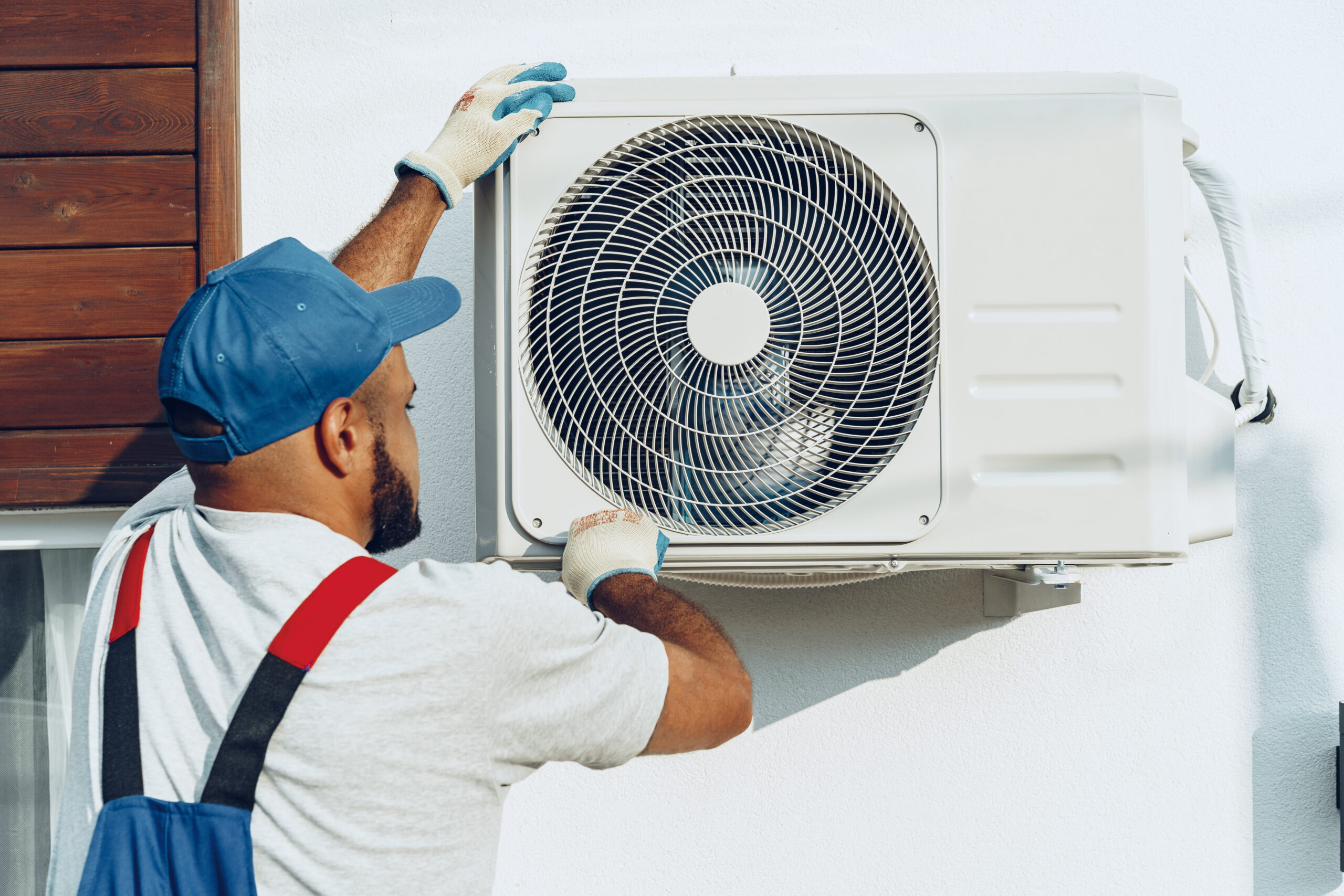
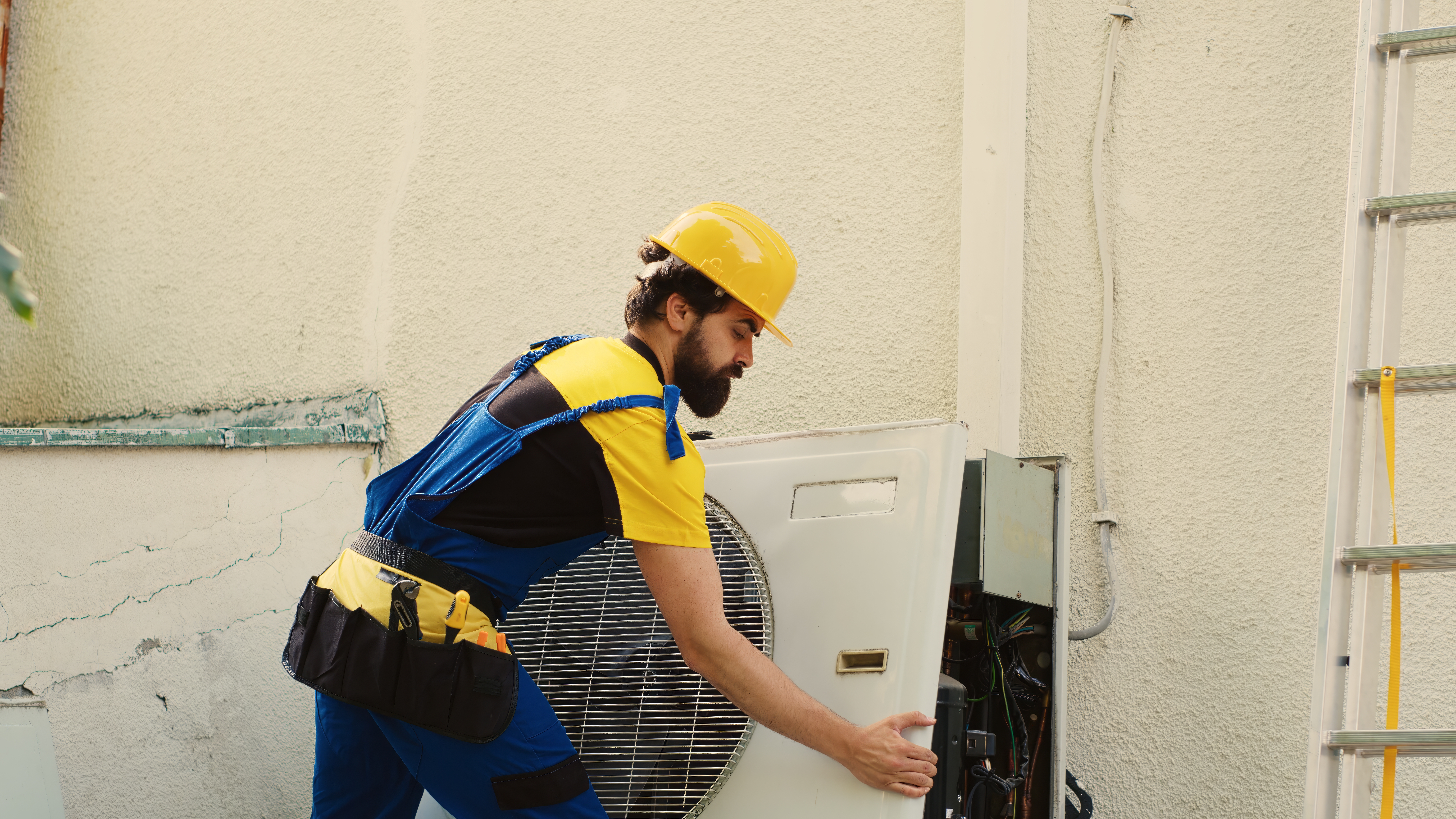
Once the system type is confirmed, installation includes placing indoor and outdoor equipment, connecting refrigerant lines, preparing electrical components, ensuring safe ventilation, and integrating smart controls or thermostats. Technicians remove old equipment when needed and prepare the space for new components that meet current efficiency and safety standards. This stage of HVAC installation also includes checking whether the ductwork can support the new system or if improvements are needed to maintain even temperatures throughout the home. For homeowners who want cleaner, healthier indoor air, this is also when indoor air quality solutions can be added to enhance filtration and ventilation. The goal is a system that performs reliably and efficiently from the first day of operation.
The Components That Make Up a Full HVAC System
A complete HVAC installation brings together several components that work as a unified system to heat, cool, filter, and circulate air throughout the home. Understanding what gets installed helps homeowners see the true value behind a well-designed setup. The main components often depend on whether the home receives AC installation, furnace installation, or heat pump installation, but all systems share the same goal of delivering balanced comfort in every season. Each part plays a specific role, and when installed correctly, the system operates efficiently and reliably for many years.
For homes receiving AC installation, the primary components include an outdoor condenser, an indoor evaporator coil, and an air handler or furnace that pushes cooled air through the ductwork. During furnace installation, the system includes the furnace cabinet, heat exchanger, burners, blower motor, and ventilation connections that safely remove combustion gases. Heat pump installation combines both heating and cooling capabilities in one system, with an outdoor heat pump unit and an indoor air handler that manages conditioned air throughout the home. In all cases, the ductwork, supply vents, return vents, and thermostat are essential pieces of the total system.
Many homeowners also choose to enhance their HVAC installation with upgrades that improve comfort and indoor air quality. These additions can include zoning systems for better temperature control, high-efficiency filters, or whole-home indoor air quality solutions like purifiers or humidity control devices. When paired with a properly sized system, these components help reduce strain on equipment, improve airflow, and create a healthier living environment. A complete HVAC installation is about more than placing new equipment; it is about building a system that works efficiently as a whole.
How to Choose the Right System for Your Home
Selecting the right system is one of the most important decisions in any HVAC installation. Every home has a unique layout, insulation level, and comfort pattern, so the system chosen should match the way your home naturally heats and cools. Homeowners often begin by comparing AC installation, furnace installation, and heat pump installation. AC systems provide strong cooling during summer heat waves, furnaces offer steady warmth during cooler nights, and heat pumps deliver efficient year-round comfort in a single system.
Your home’s size and layout also influence which type of system is best. Larger or multi-level homes may require zoning options to maintain even temperatures, while compact homes may benefit from a simpler setup. Energy efficiency plays a major role as well. Many homeowners choose systems with higher SEER2, AFUE, or HSPF2 ratings because these numbers reflect how efficiently the system can run throughout the year. Efficient systems can help reduce monthly energy costs and limit the need for HVAC repair service caused by strain or improper sizing.
Budget and long-term plans should also be considered when choosing a system. While a new system represents a meaningful investment, it often delivers better comfort, fewer breakdowns, and lower operating costs compared to older equipment. In some cases, homeowners deciding between repair and HVAC installation may find that HVAC replacement offers better long-term value. Additional options such as indoor air quality solutions, smart thermostats, or upgraded filtration can further personalize the system to your comfort preferences. When all these factors work together, the result is an HVAC installation that feels tailored to your home and the way you live.
Sizing, Efficiency, and Bay Area Climate Considerations
Choosing the right system is only part of a successful HVAC installation. The next step is ensuring the system is properly sized and matched to Bay Area weather conditions. Oversized or undersized systems struggle to keep your home comfortable, cycle too frequently, use more energy than necessary, and wear out sooner. Proper sizing allows the system to maintain steady temperatures, support good airflow, and operate efficiently through warm summers, cool evenings, and seasonal air quality challenges.
Why Proper Sizing Matters
| Sizing Issue | What Happens | Result |
| Oversized system | Cools or heats too quickly and shuts off repeatedly | Uneven temperatures and higher energy use |
| Undersized system | Runs constantly trying to reach the set temperature | Poor comfort and early wear |
| Correctly sized system | Maintains steady, efficient operation | Better airflow and longer lifespan |
Before HVAC installation begins, technicians perform load calculations that evaluate square footage, insulation, sun exposure, and room layout. These details guide your choice between AC installation, furnace installation, or heat pump installation.
Efficiency Ratings to Know
-
- SEER2: Cooling efficiency for AC systems and heat pumps
-
- AFUE: Heating efficiency for furnaces
-
- HSPF2: Heating efficiency for heat pumps
Higher ratings usually mean lower energy use and better performance.
Bay Area Climate Considerations
-
- Warm summers call for strong cooling performance
-
- Cool evenings require reliable heating
-
- Microclimates vary sharply between cities
-
- Wildfire smoke makes indoor air quality solutions more important
-
- Seasonal shifts influence long-term system durability
Proper sizing and efficiency prevent unnecessary HVAC repair service and help delay HVAC replacement.
What Happens on HVAC Installation Day
For many homeowners, installation day is the part of the process they understand least. Knowing what to expect helps everything feel straightforward and predictable. Here’s what typically happens when an HVAC installation begins.
Step-by-Step Breakdown
| Step | What Happens | Why It Matters |
| 1. System Removal | Old equipment is disconnected and removed | Clears the way for new, efficient equipment |
| 2. Preparing the Area | Ductwork, electrical connections, and ventilation are checked | Ensures the home is ready for the new system |
| 3. Installing Indoor Components | Air handlers, furnaces, and evaporator coils are placed | Establishes airflow and temperature control |
| 4. Installing Outdoor Components | Condensers or heat pump units are set and secured | Provides stable, long-term performance |
| 5. Connecting Lines | Refrigerant lines are sealed and tested | Protects efficiency and prevents leaks |
| 6. Electrical Setup | Wiring and thermostat connections are completed | Allows precise control of the system |
| 7. System Testing | Output, airflow, and safety features are tested | Confirms everything runs correctly |
| 8. Homeowner Walkthrough | The technician reviews settings and care tips | Helps you understand your new system |
Optional Add-Ons
-
- Smart thermostats
-
- High-efficiency filtration
-
- Zoning systems
-
- Indoor air quality solutions
Adding these during HVAC installation improves long-term performance and reduces future HVAC repair service needs.
What Happens After Installation
Understanding what comes after HVAC installation helps homeowners get the best performance from their new system.
The First 48 Hours
Systems may run longer at first as they adjust to your home’s temperature and airflow. AC installation should deliver strong cooling, furnace installation should provide consistent heat, and heat pump installation should operate smoothly in both modes.
Break-In Period
Expect small changes as components settle:
-
- Airflow balancing
-
- Slight noise variations
-
- Stabilizing indoor temperatures
Early Maintenance
A check-up a few months after installation helps:
-
- Catch early issues
-
- Prevent unnecessary HVAC repair service
-
- Maintain efficiency
-
- Support indoor air quality solutions
If your system shows signs of aging later, consistent maintenance helps determine when HVAC replacement should be considered.
Choosing the Right Partner for Your HVAC Installation
A great HVAC installation depends on both the equipment and the team installing it. Homeowners value providers who explain options clearly, recommend the right system size, and complete each step with care. Options like AC installation, furnace installation, heat pump installation, and indoor air quality solutions all require thoughtful planning. You should also feel supported when deciding whether to repair an older system or begin HVAC replacement.
At XCEL, our approach is simple: provide clear guidance and dependable workmanship. We help homeowners understand their choices, evaluate their home’s needs, and move through HVAC installation with confidence. With steady support and a focus on long-term comfort, your new system is prepared to perform well in every season.
Frequently Asked Questions
1. What is included in a full HVAC installation?
A complete HVAC installation includes placing indoor and outdoor units, connecting refrigerant and electrical lines, testing airflow, adjusting ductwork, and setting up the thermostat. If your home needs stronger filtration or healthier airflow, indoor air quality solutions can be added during installation. Whether you choose AC installation, furnace installation, or heat pump installation, the goal is to create a system that runs efficiently and keeps temperatures consistent.
2. How long does an HVAC installation take?
Most installations take one full day. Homes with larger duct systems, older wiring, or complex layouts may require additional time. A technician will explain the full timeline before work begins so you know what to expect and how to prepare for your HVAC installation.
3. How do I know if I need a new system or HVAC replacement?
If your system is older, struggles to maintain comfort, or needs repeated HVAC repair service, it may be time to consider HVAC replacement instead of further repairs. A technician can compare costs, review efficiency levels, and help decide whether upgrading through HVAC installation offers better long-term value for your home.
4. Can HVAC installation improve indoor air quality?
Yes. A proper HVAC installation supports cleaner airflow, stronger filtration, and healthier ventilation throughout the home. Many homeowners add indoor air quality solutions, such as purifiers or upgraded filters, at the same time as AC installation, furnace installation, or heat pump installation to maximize results, especially during wildfire season.
5. What maintenance does a new system need?
Even brand-new systems require routine tune-ups. Scheduling maintenance a few months after HVAC installation helps catch early issues, protect efficiency, and reduce the need for future HVAC repair service. Consistent care also extends the lifespan of systems installed through AC installation, furnace installation, or heat pump installation.
Staying Comfortable With the Right System
A well-planned HVAC installation creates consistent comfort, better efficiency, and a healthier indoor environment. With the right system and a knowledgeable team guiding the process, homeowners can enjoy reliable performance season after season. If you would like help understanding your options or preparing for a new installation, the XCEL team is here to support you. Contact us at +1-925-433-6400 or info@xcelhvac.net whenever you are ready.