What to Expect During an HVAC Installation and How It Improves Home Comfort
An HVAC installation is one of the most important steps in creating a comfortable and reliable home environment. For many Bay Area homeowners in communities like Concord, Danville, Walnut Creek, Lafayette, San Ramon, Pleasant Hill, Martinez, Orinda, Moraga, Benicia, Vallejo, Clayton, and surrounding areas, the process begins long before any equipment is brought inside. Understanding what happens during HVAC installation helps you feel prepared, avoid surprises, and make confident decisions about your home’s heating and cooling system. Whether you are upgrading outdated equipment, replacing a system after years of use, or installing a new system for the first time, the installation process plays a major role in how well your home stays comfortable throughout the year.
Homeowners often have questions about what to expect, how long HVAC installation takes, and how the work will affect their daily routine. The truth is that a well-planned installation is straightforward when handled by a trained team. The process involves evaluating your home’s layout, preparing the workspace, installing components safely, and ensuring everything operates as it should. This includes decisions about AC installation, furnace installation, or heat pump installation depending on what fits your home best. When you understand the steps involved, HVAC installation feels less overwhelming and much more like a natural upgrade that improves comfort, efficiency, and long-term reliability.
Preparing for HVAC Installation
Preparing for an HVAC installation begins with a clear understanding of what your home needs and how the installation team will work within your space. Most homeowners start by reviewing their current system, identifying comfort issues, and discussing options with a technician. This early preparation helps determine whether the home is better suited for AC installation, furnace installation, or heat pump installation. It also helps define the size, efficiency level, and type of system that will work best for your layout and lifestyle. A technician will often conduct a walk-through to check electrical access, evaluate ductwork, and note any areas that may need adjustments before installation day.
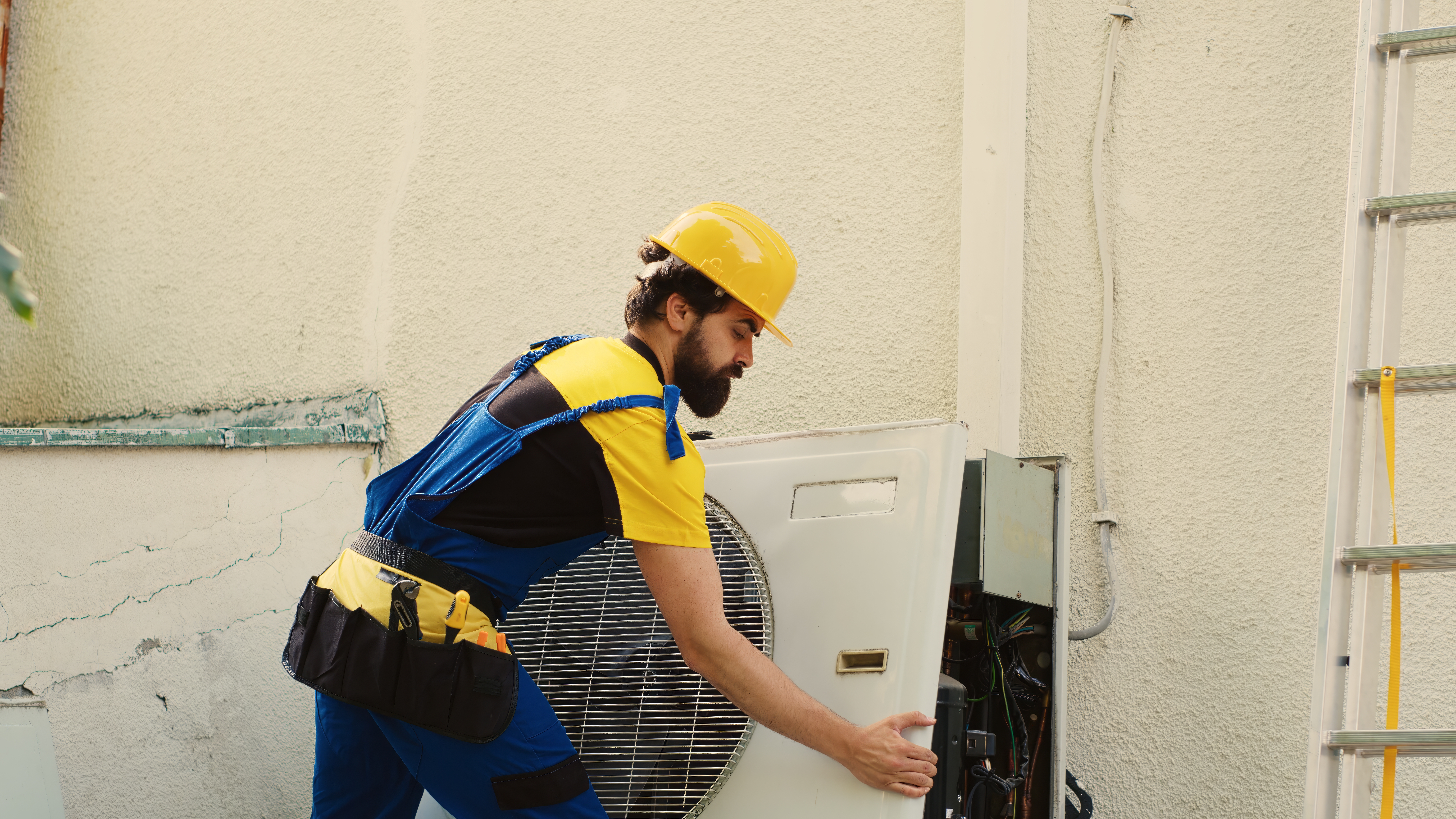
Home preparation is just as important as system selection. Before the HVAC installation begins, homeowners are encouraged to clear pathways, move furniture away from work areas, and make sure the attic, garage, or side yard is accessible. This gives the installation team enough room to remove old equipment, bring in new components, and work safely. If your home is undergoing remodeling or electrical upgrades, coordinating these steps ahead of time helps avoid delays. Some homeowners also use this time to decide whether they want to add indoor air quality solutions, such as better filtration or purification systems, so these upgrades can be installed alongside the new equipment.
What Happens During HVAC Installation
Understanding what happens on installation day helps homeowners feel more prepared and confident. While the exact steps can vary depending on whether you are getting AC installation, furnace installation, or heat pump installation, the overall process follows a clear, structured workflow. Each phase is designed to ensure the system is installed safely, efficiently, and in a way that supports long-term performance.
A Step-by-Step Look at the Installation Process
| Step | What Happens | Why It Matters |
| 1. Initial Walkthrough | The team reviews the home layout and installation plan. | Confirms system placement and ensures a smooth workflow. |
| 2. Removing Old Equipment | Old units are disconnected and taken out of the home. | Clears space and prepares the area for your new system. |
| 3. Preparing Ductwork & Lines | Ducts, vents, refrigerant lines, and electrical connections are checked. | Ensures compatibility and prevents future airflow or safety issues. |
| 4. Installing Indoor Components | Furnaces, air handlers, and evaporator coils are placed. | Establishes the core heating and cooling function inside the home. |
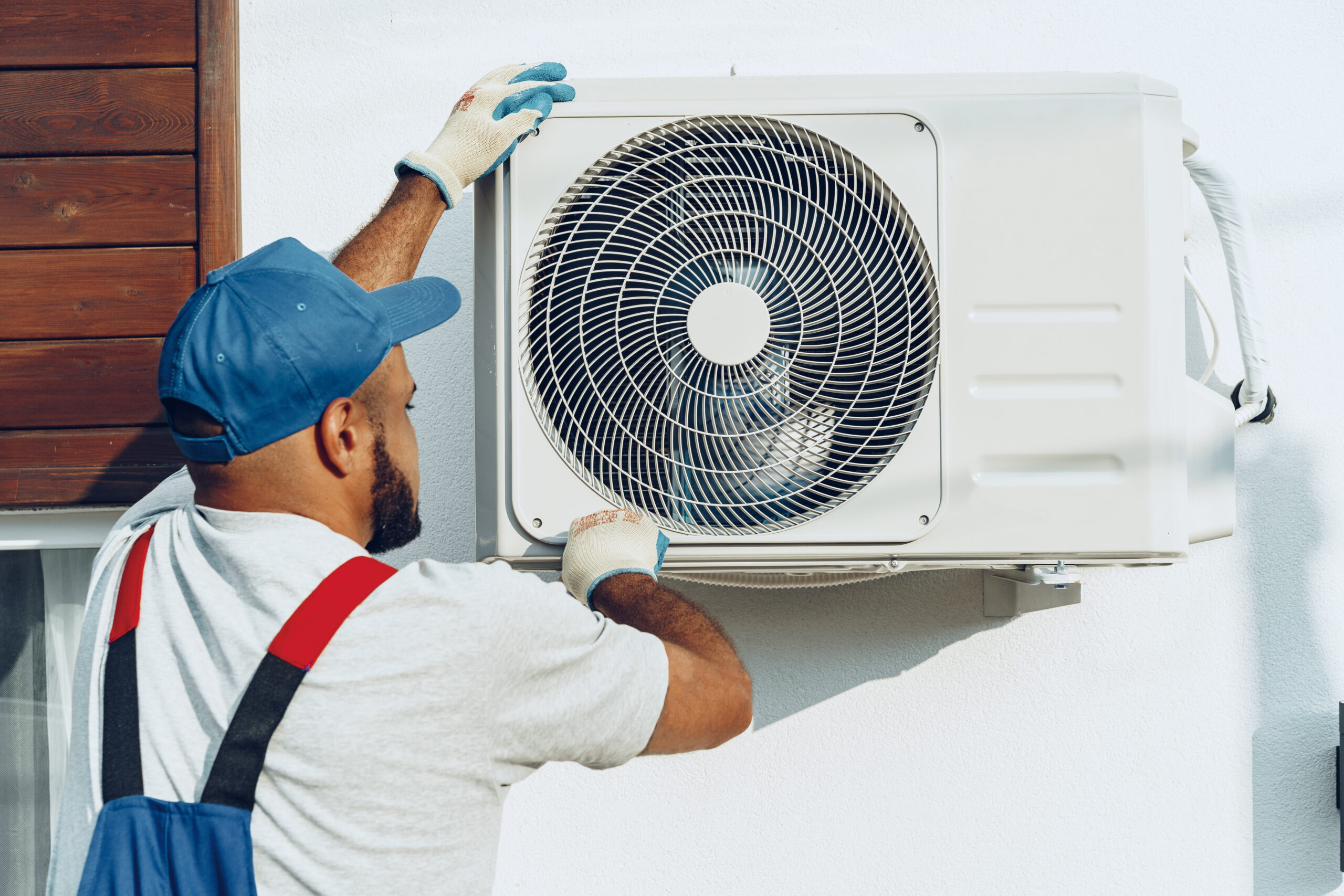
| 5. Installing Outdoor Components | Condensers or heat pump units are positioned and secured. | Supports efficient airflow and long-term durability. |
| 6. Connecting Refrigerant & Electrical Lines | Lines are vacuumed, sealed, wired, and tested. | Maintains system efficiency and prevents leaks or electrical issues. |
| 7. Thermostat Setup | Smart or standard thermostat is installed and paired with the system. | Gives homeowners accurate control over comfort settings. |
| 8. System Startup & Testing | The technician powers on the system and checks performance. | Verifies correct installation and ensures everything runs safely. |
Common Mistakes Homeowners Avoid With a Proper HVAC Installation
A correct HVAC installation helps homeowners sidestep many issues that cause uneven comfort, higher energy use, or avoidable service calls. The most common mistakes include:
1. Incorrect System Sizing
When a system is too large or too small, temperatures become inconsistent and equipment wears out faster. Proper HVAC installation includes load calculations so AC installation, furnace installation, or heat pump installation matches the home’s needs.
2. Ignoring Airflow Problems
Older or leaky ductwork can weaken airflow and reduce efficiency. During installation, technicians seal ducts and balance airflow to prevent future HVAC repair service issues.
3. Skipping Thermostat Upgrades
A smart thermostat improves control, efficiency, and overall performance for any new system. It supports better results from AC installation, furnace installation, and heat pump installation.
4. Overlooking Indoor Air Quality Solutions
Purifiers, upgraded filters, and humidity control improve air quality and reduce strain on equipment. Adding indoor air quality solutions during installation is cost-effective and convenient.
5. Repairing Instead of Replacing
Some homeowners invest in repeated repairs when HVAC replacement would deliver better long-term comfort and reliability.
By avoiding these mistakes, homeowners get more consistent comfort and longer equipment life from their HVAC installation.
How Technicians Test and Confirm System Performance
Once the equipment is installed, the next phase of an HVAC installation focuses on testing and verification. This step confirms that the system is operating safely, efficiently, and in line with the home’s comfort needs. Whether your project involves AC installation, furnace installation, or heat pump installation, each system must pass several checks before the job is complete.
Key Performance Tests Technicians Perform
| Test Performed | What the Technician Checks | Why It Matters |
| Airflow Measurement | Air pressure, duct balance, and volume | Ensures heated or cooled air reaches every room. |
| Temperature Split Test | Difference between return and supply air | Confirms correct heating or cooling output. |
| Refrigerant Level Test | Vacuum, pressure, and charge accuracy | Critical for efficient AC and heat pump performance. |
| Electrical Inspection | Breakers, voltage, wiring, and connections | Ensures safe long-term operation. |
| Safety Switch Testing | Limit switches and overflow sensors | Protects the equipment and prevents hazards. |
| Thermostat Calibration | Communication and temperature accuracy | Ensures proper control of the HVAC installation. |
| Combustion Check (furnaces) | Gas pressure and venting | Confirms safe furnace installation. |
Technicians may adjust airflow, refine thermostat settings, or tighten connections. These steps help prevent early issues that often lead to HVAC repair service and reduce the chance of premature HVAC replacement.
Add-Ons and Enhancements That Improve Your HVAC Installation Results
A successful HVAC installation often includes upgrades that improve comfort, efficiency, and indoor air quality. These additions are easier and more cost-effective to install during the same visit because technicians already have access to the equipment and ductwork.
Popular Enhancements
| Upgrade | What It Does | Why Homeowners Choose It |
| Indoor Air Quality Solutions | Filters, purifiers, or humidity control | Reduces allergens, smoke, and moisture issues. |
| Smart Thermostat | Optimizes temperature control | Saves energy and improves comfort. |
| High-Efficiency Filters | Captures more airborne particles | Keeps air cleaner and protects equipment. |
| Zoning Systems | Creates separate comfort zones | Helps regulate temperatures on different floors. |
| Duct Sealing or Upgrades | Improves airflow and reduces leaks | Enhances system performance and reduces strain. |
These additions support stronger airflow, healthier filtration, and longer equipment life.
What Happens After Installation
Once the system is installed and tested, your home enters a short adjustment period where temperatures and airflow stabilize. This applies to AC installation, furnace installation, and heat pump installation.
The First 48 Hours
-
- The system may run longer as it balances temperatures.
-
- Airflow may shift slightly as ducts stabilize.
-
- You may hear new but normal mechanical sounds.
Supporting Long-Term Performance
-
- Change filters consistently.
-
- Keep outdoor units clean.
-
- Leave vents unobstructed.
-
- Schedule early maintenance.
These steps reduce the need for HVAC repair service and delay HVAC replacement later in the system’s life.
How Installation Differs for AC, Furnace, and Heat Pump Systems
Every HVAC installation follows a structured process, but the specific steps vary depending on the type of system being installed. Understanding these differences helps homeowners choose the right equipment and know what to expect on installation day. Whether your home is preparing for AC installation, furnace installation, or heat pump installation, each system requires its own workflow, tools, and performance checks.
AC Installation
Air conditioning systems focus on cooling performance, which means installation centers on refrigerant management and correct indoor–outdoor coordination. AC installation includes placing the outdoor condenser on a level surface, installing the indoor evaporator coil, and connecting refrigerant lines that are vacuumed and pressure-tested. Because cooling efficiency depends on proper airflow, technicians also check duct sizing to make sure the system can deliver steady temperatures across every room. A correct AC installation prevents short cycling, reduces noise, and helps maintain lower energy bills through the warm Bay Area summers.
Furnace Installation
A furnace installation involves more safety components because the system produces heat through combustion. Technicians install the furnace cabinet, connect gas or electric lines, secure venting pathways, and check the heat exchanger for proper airflow. They also test flame sensors, ignition systems, and carbon monoxide levels before activating the equipment. Proper furnace installation ensures steady heat during cool Bay Area nights while preventing hazards that can arise when venting or combustion is not handled correctly.
Heat Pump Installation
Heat pump installation combines aspects of both heating and cooling setups. Because heat pumps reverse operation depending on the season, technicians must calibrate both modes and confirm the reversing valve works correctly. They also check refrigerant levels, airflow balance, and thermostat compatibility to ensure smooth transitions between heating and cooling. Heat pumps are ideal for Bay Area microclimates, where temperatures remain mild year-round and energy efficiency is a priority.
Each system type comes with its own installation requirements, but when handled by trained technicians, the process results in a reliable, efficient setup that supports comfort through every season.
How HVAC Installation Improves Long-Term Home Comfort
A proper HVAC installation leads to:
-
- More consistent temperatures
-
- Better airflow and circulation
-
- Lower monthly energy use
-
- Fewer repair needs
-
- Stronger indoor air quality
-
- Longer equipment lifespan
Homes feel more stable and predictable throughout the year, especially during warm summers, cool evenings, and wildfire smoke season.
Choosing the Right Partner for Your HVAC Installation
A dependable HVAC installation depends on clear communication and careful workmanship. Homeowners want a provider who explains the process, respects their home, and ensures the system is built to last. Whether you choose AC installation, furnace installation, or heat pump installation, having a supportive team makes all the difference.
At XCEL, we focus on steady guidance and reliable service. We explain your options, evaluate your home’s needs, and walk you through each stage of the HVAC installation. With thoughtful support and a commitment to long-term comfort, we make the process simple and dependable for Bay Area homeowners.
Frequently Asked Questions
1. How long does an HVAC installation usually take?
Most installations take one day, but larger homes or systems with additional needs may require more time. This applies to AC installation, furnace installation, and heat pump installation.
2. Do I need to update my ductwork before installing a new system?
Not always. Technicians evaluate your ducts for leaks or sizing issues and recommend updates only if they improve performance or prevent future HVAC repair service.
3. Will I get better performance from a furnace, AC, or heat pump?
Each has benefits. AC installation offers strong cooling, furnace installation provides reliable heat, and heat pump installation delivers year-round efficiency.
4. Can indoor air quality solutions be added during installation?
Yes. Installing these is cost-effective and improves filtration, purification, and moisture control.
5. When should I consider HVAC replacement instead of repairs?
If the system is aging, unreliable, or inefficient, HVAC replacement may offer better long-term value compared to repeated HVAC repair service.
Staying Comfortable With a Proper HVAC Installation
A well-planned HVAC installation creates consistent comfort, stronger airflow, and healthier indoor air. Whether you’re choosing AC installation, furnace installation, or heat pump installation, the right setup ensures long-lasting performance. If you’re preparing for a new system, the XCEL team is here to guide you. Contact us at +1-925-433-6400 or info@xcelhvac.net to get started.